
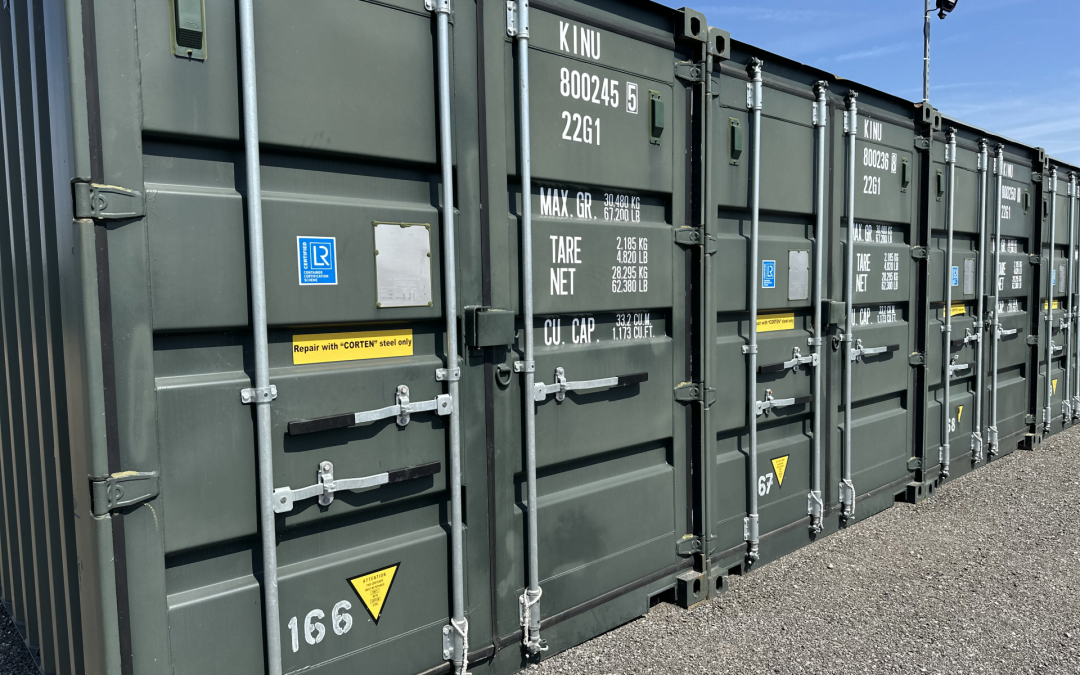
Self-storage is a convenient solution if you want a clutter-free home. However, before hiring the self-storage unit, you must know what you can and can’t store in these units. These units are a haven – agreed. However, understanding the storage guidelines is essential. When you know the risks, you can protect your belongings inside the units.
Every self-storage facility in Lincoln has its preset rules for the smooth management of business inventory. Know the rules and keep your things safe.
What are the things you can and cannot store in a self-storage unit?
Things to store in self-storage units
These units are designed to accommodate a wide range of everyday items. However, make sure they are clean, dry, and properly packed. Moreover, pack them well before storing to avoid damage. Some of the common items are:
- Household and commercial furniture such as sofas, beds, wardrobes, tables, and chairs
- Soft furnishings and boxed personal stuff are also suitable for storage
- Important and archived documents and files of the offices
- Secured storage of the office inventories
- Bicycles, garden furniture, camping equipment, sports gear, and seasonal decorations
- Car and motorcycle parts, small machinery, or equipment
Although these items are commonly stored in self-storage units, the unit provider may have different rules and storage requirements. Hence, it is advisable to contact the authorities and understand the requirements before proceeding with storage.
While storing the above-mentioned items in the self-storage unit, label them properly. This reduced the office space costs. This also helps to maintain secure access to all inventories stored in the units.
Things you cannot store in self-storage units
For safety, legal, and insurance reasons, some self-storage units prohibit the storage of certain items. For instance, hazardous materials are prohibited in these units.
Here’s a list of items that are prohibited in the units:
- Hazardous oils, such as petrol, diesel, and gas canisters, are flammable and are prohibited in these units.
- Chemicals, paint thinners, and solvents are also not allowed inside the units.
- Units prohibit storing food products, as they are mostly perishable items
- Dry food products are also prohibited as they attract pests and spoil over time
- Firearms, ammunition, explosives, and related items are not permitted for storage in self-storage units
- People, animals, plants, and biological materials are strictly forbidden as well
- Illegal and stolen goods, which are prohibited by law, are also prevented from being stored
- Cash, jewellery, precious metals, important documents, and irreplaceable items are prevented from storage
Why are storage rules important?
Storage restrictions are generally in place to protect customers, staff, and stored belongings. Prohibited items generally lead to contamination, fire hazards, and sometimes give rise to legal issues. Most renowned storage providers conduct regular monitoring of their sites to ensure they are maintained safely and that no prohibited items are stored there.
Moreover, according to the rules of the storage units, every customer should follow these final checklists in detail before storing:
- The items should be clean, dry, and properly packed
- There should be no hazardous, illegal, or perishable goods
- There should be no valuable documents stored
- The customer should abide by the provider’s guidelines
Knowing what you can and can’t store, you can store it safely. Get in touch with Burton 24/7 Storage for safe and secure storage facilities. From household to commercial items, Burton 24/7 Storage offers safe self-storage in Lincoln.